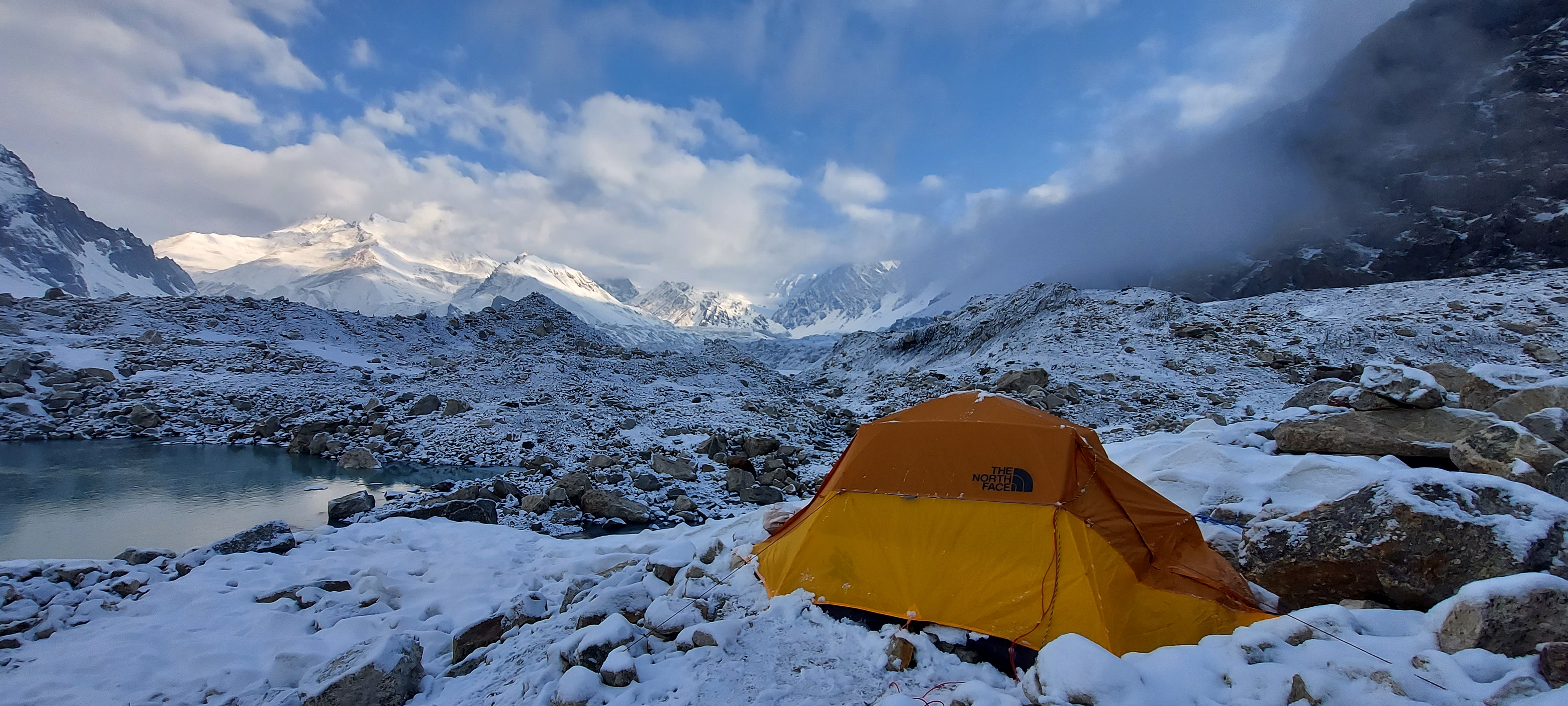
Acclimatization
The High-Altitude Breath: How Your Body Adapts Above 3,500 Metres
A warm, practical guide to listening to your body, understanding oxygen drop, and reaching high Himalayan ridges without sickness.

Practical tips on acclimatization, fitness, weather, and gear from our lead instructors.
The mountains don't care how fast you run or how much you bench press. At 5,000 metres, your body is rebuilding its chemistry one breath at a time. Here is how veteran Himalayan leaders manage pacing, rest, and acclimatization so you climb strong and arrive home safe.
Altitude acclimatization is simple patience in action: keep your first 48 hours in Leh deliberately quiet, never increase your sleeping camp by more than 500 metres per day above 3,000m, drink 4 litres of warm fluids daily, and treat even a mild morning headache as a signal to slow down, not push through.
Field-tested manuals for aspiring climbers and alpinists
A warm, practical guide to listening to your body, understanding oxygen drop, and reaching high Himalayan ridges without sickness.
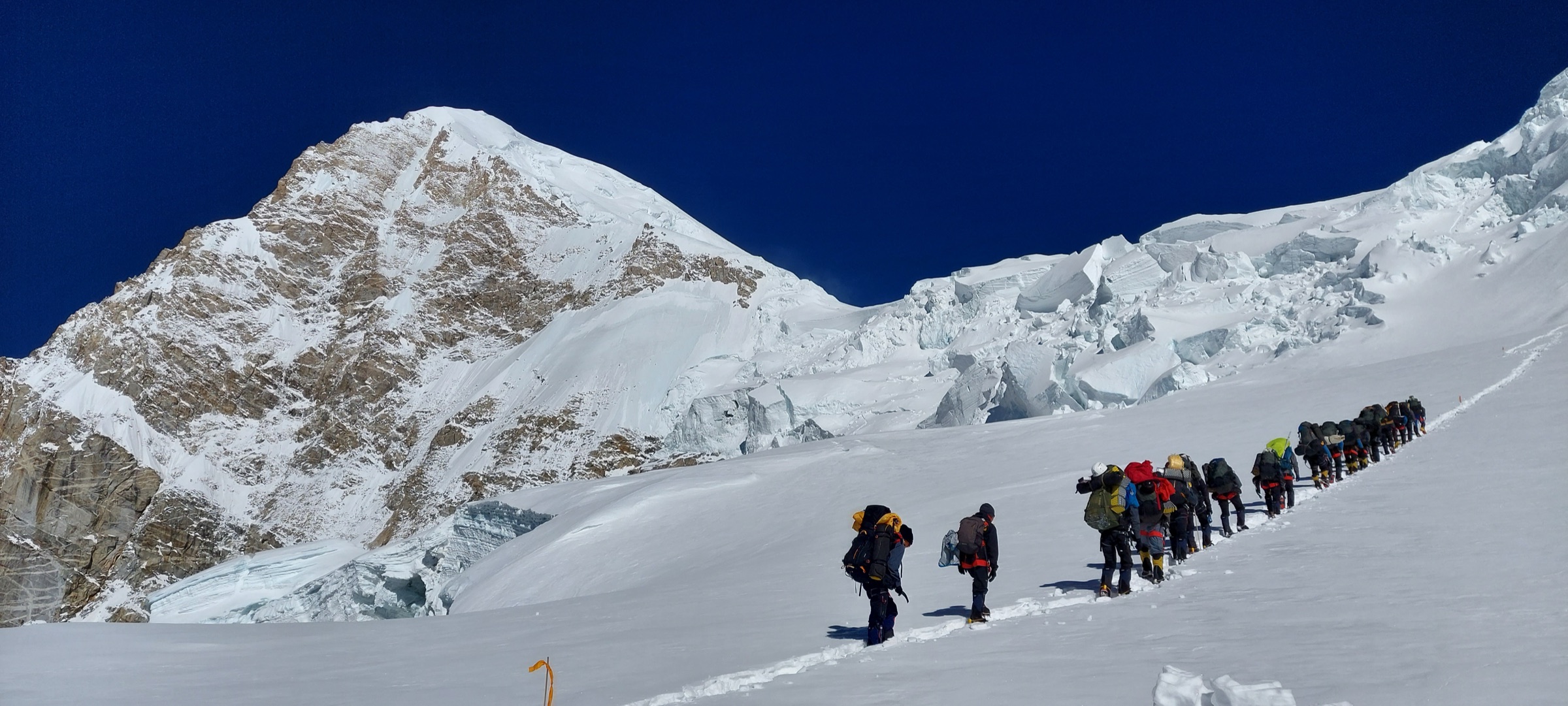
You do not need to live in the Alps or run marathons. Here is how to condition your legs, lungs, and mind for long summit days.
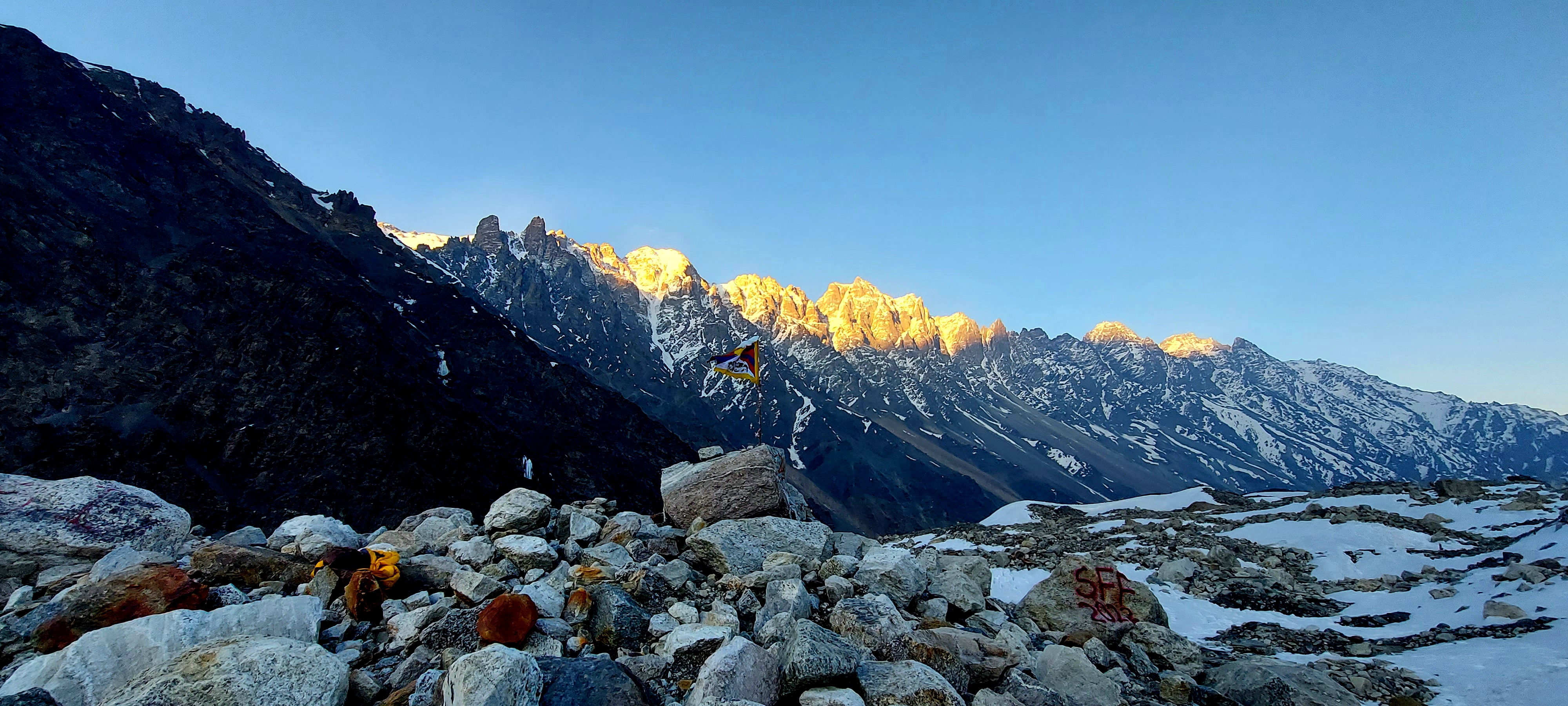
Sacred stupas, village hospitality, and fair treatment for mountain staff—how to be a mindful guest in the high valleys.
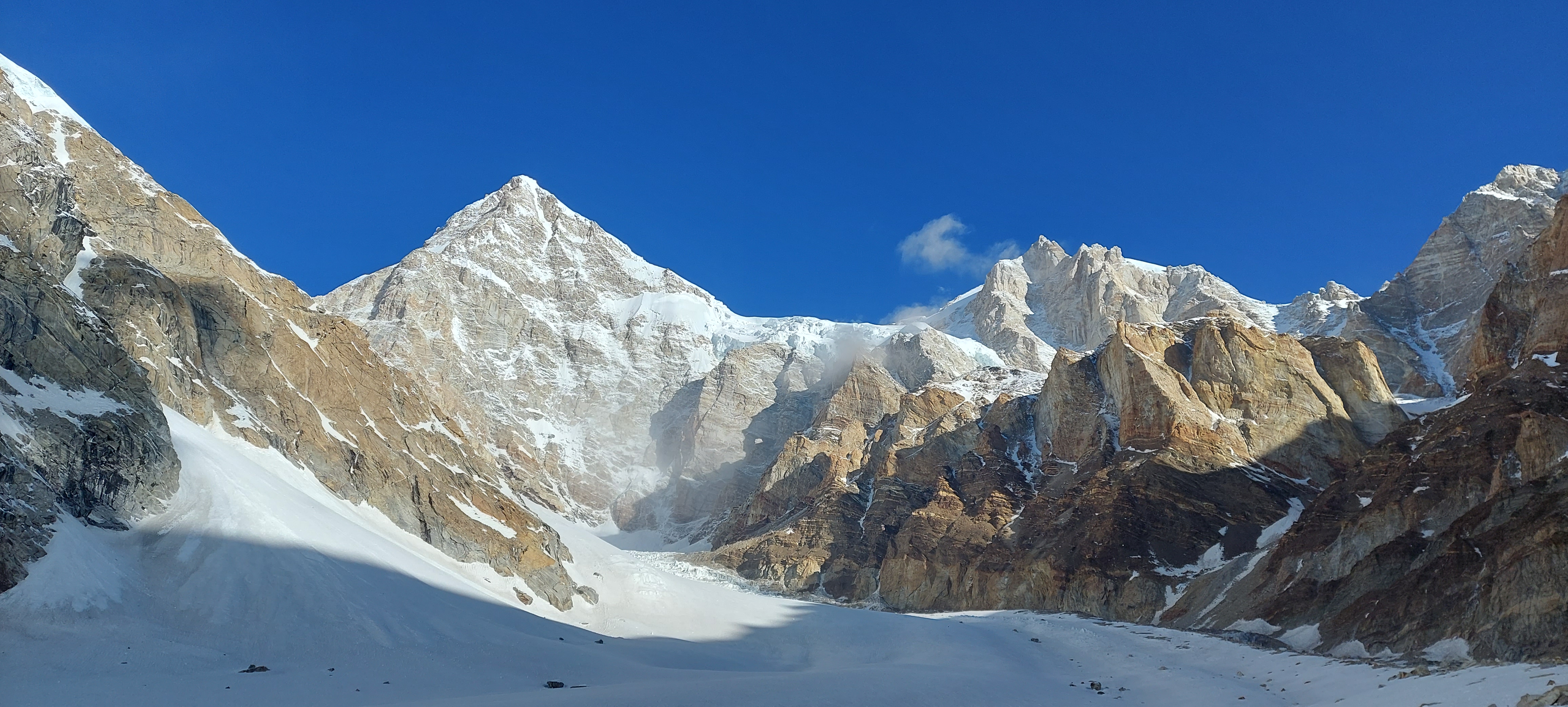
Cloud caps, shifting winds, and falling barometers. Learn how veteran guides make the call between a summit push and a safe retreat.
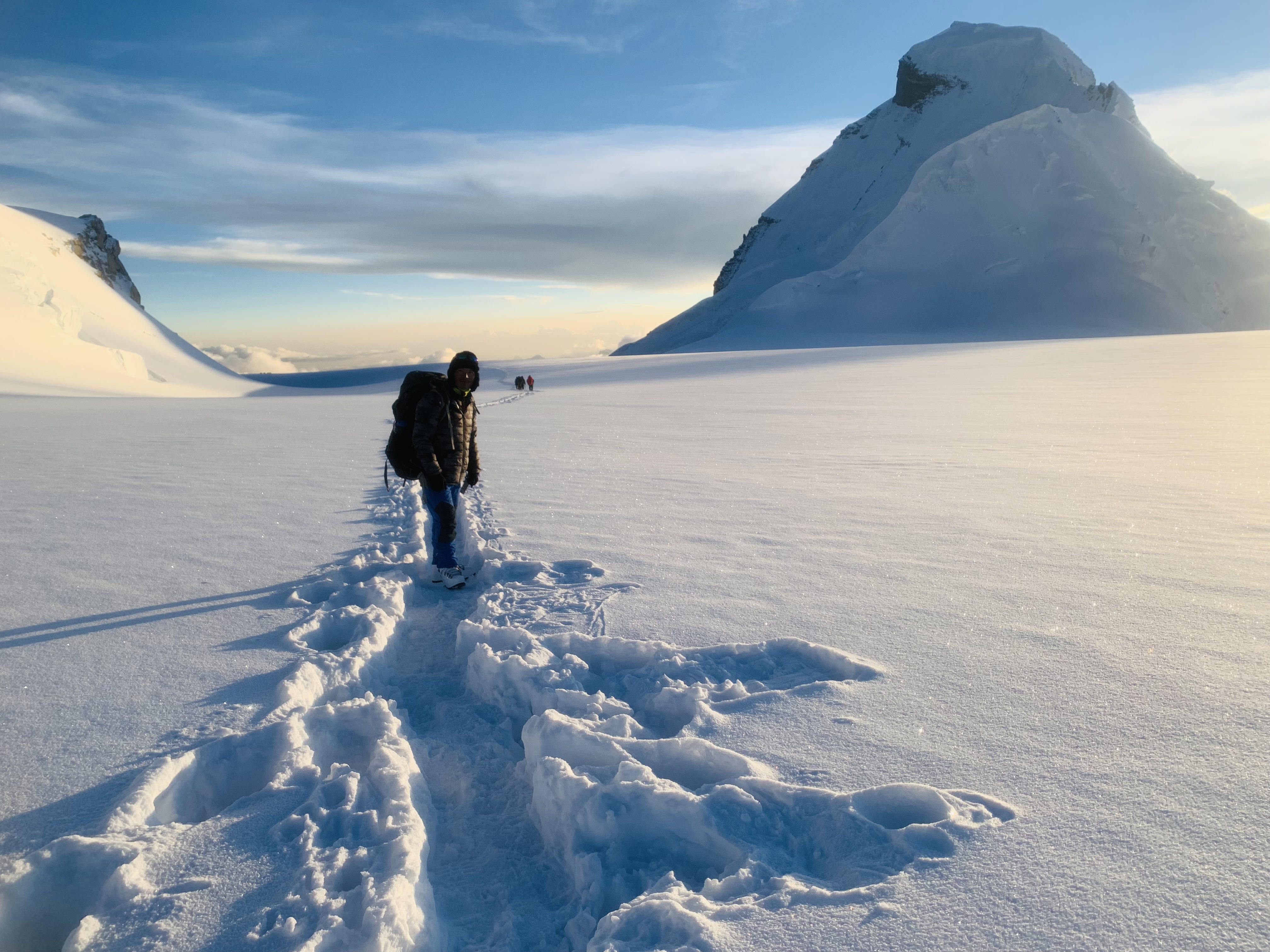
Demystifying thermal layers, summit boots, and hardware. How to stay warm, travel light, and keep your gear ready when storms hit.
Alpine doctrine is only as good as its real-world execution. If you have questions about altitude sickness prevention, cold-weather boot ratings, or nutrition above 5,000 meters, speak directly with our senior expedition guides.